

 English



Search
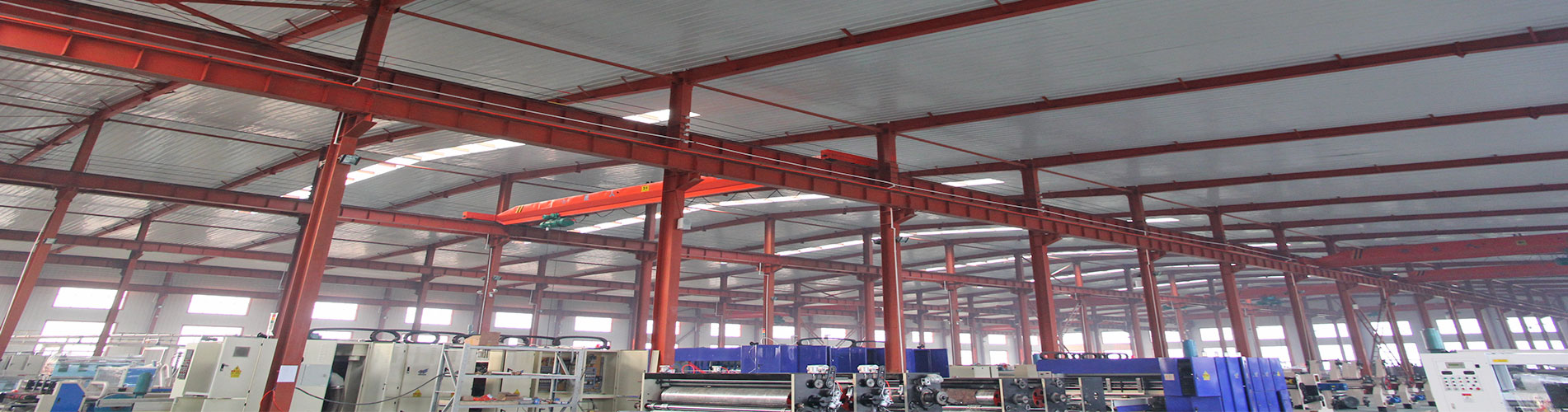
Here are the key advantages of a steel structure warehouse with integrated office space, often referred to as a "warehouse-office hybrid" or "flex building." 1. Cost & Construction Efficiency Lower Overall Cost: Steel is a cost-effective material. Pre-engineered metal buildings (PEMBs) are fabricated off-site and assembled quickly, reducing labor and construction time. Design-Build Simplicity:...
Yes, steel structure warehouses are indeed suitable for construction in typhoon-prone locations, as they offer several advantages in resisting extreme weather conditions. However, certain design and engineering considerations are essential to ensure safety and durability. Here’s a breakdown: Advantages of Steel Structures in Typhoon Zones 1.High Strength and Ductility Steel has high tensile streng...
The expected lifespan of a steel structure warehouse is typically 50 to 100 years or more, depending heavily on the following key factors: Primary Determinants of Lifespan: 1.Design & Engineering: Codes & Standards: Adherence to building codes (e.g., AISC, Eurocode) for wind, snow, and seismic loads is critical. Load Considerations: Warehouses designed for heavier loads (e.g., high-bay sto...
Here are cost-effective heat preservation solutions for steel structure warehouses, combining insulation performance with budget considerations: 1. Insulation Materials (Core Choices) Glass Wool / Rock Wool: Pros: Low cost, good fire resistance (A1级不燃), excellent sound absorption. Cons: Heavier, requires careful handling (skin/eye irritation), moisture protection needed. Best for: Walls, roofs whe...
Single-Span vs Multi-Span Steel Warehouses: Choosing the Right Structure for Your Needs When planning a new steel warehouse, one of the most fundamental decisions you'll face is the structural layout: should you opt for a vast, column-free space or a more compartmentalized, expansive footprint? This choice boils down to selecting between a single-span and a multi-span design. Each has distinct adv...
The choice between steel and concrete is fundamental in structural engineering. Each has a distinct set of material characteristics that make it suitable for different applications. Here’s a detailed comparison of their key material properties and implications for design and construction. Characteristic Steel Concrete (Reinforced, RCC) 1. Stress-Strain Behavior Elastic-Perfectly Plastic (Ductile)....
If you operate, manage, or are planning a steel structure warehouse, understanding the role of ventilation isn’t just a technical detail—it’s essential for safety, durability, and efficiency. While steel buildings are strong, cost-effective, and quick to erect, they come with unique environmental challenges. That’s where ventilators come in. But what exactly do they do, and why are they so importa...
A Portal Steel Structure Frame Warehouse is a type of pre-engineered building system widely used for industrial, commercial, and storage purposes. Its name comes from its primary structural frame: the portal frame, which is a rigid steel frame capable of spanning large distances without internal columns. Here’s a breakdown of its key features and advantages: 1. Main Structural Features Portal Fram...
Pre-engineered steel buildings (PEBs) are the go-to solution for warehouses, factories, and logistics hubs. But their efficiency hinges on a critical balance: designing for ultimate strength (safety under extreme loads) while ensuring serviceability (comfort and functionality during everyday use). This blog breaks down the engineering methods that achieve this dual objective. The Two Pillars of PE...
When a steel structure warehouse is built in coastal or typhoon-prone regions—from Southeast Asia to the Gulf Coast—the greatest threat isn't gravity, but wind. Typhoons generate both extreme lateral pressure against walls and severe uplift (negative pressure / suction) on roof surfaces, which can peel off cladding or even overturn a poorly anchored frame. A truly typhoon-resilient steel warehouse...
When planning a steel structure warehouse or prefabricated industrial building, one of the most critical—and often underestimated—decisions is selecting the right sandwich panel core material. The insulated metal panel you choose affects not only the upfront budget, but also fire safety compliance, thermal efficiency, condensation control, acoustic performance, and long-term operating costs. There...
1. Start with High-Performance Roof Insulation Heat enters a steel warehouse primarily through the roof—often accounting for up to 70% of total heat gain. Spray Polyurethane Foam (SPF): Creates a seamless, airtight barrier with excellent R-values. It also seals gaps where hot air sneaks in. Rigid Board Insulation: Durable and moisture-resistant; ideal for retrofits. Reflective Foil Insulation: Ins...
Categories
latest blog
Tags


For inquiries about our products or pricelist, please leave to us and we will be in touch within 24 hours.
© Copyright: 2026 Hebei Baofeng Steel Structure CO.,LTD All Rights Reserved.

IPv6 network supported


 +8615720226351