

 English


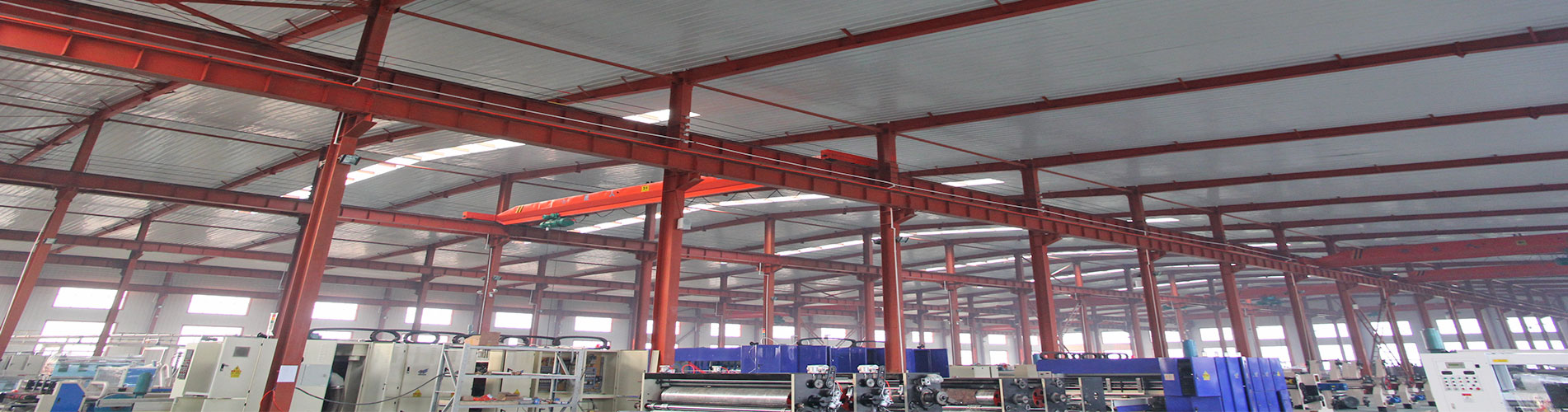

How to cool down the steel structure warehouse?
1. Start with High-Performance Roof Insulation
Heat enters a steel warehouse primarily through the roof—often accounting for up to 70% of total heat gain.
Spray Polyurethane Foam (SPF): Creates a seamless, airtight barrier with excellent R-values. It also seals gaps where hot air sneaks in.
Rigid Board Insulation: Durable and moisture-resistant; ideal for retrofits.
Reflective Foil Insulation: Installed under the roof panels to reflect radiant heat before it reaches the interior.
Pro Tip: Combine insulation with a radiant barrier for maximum effect. In many climates, this alone can cut indoor temperatures by 10–15°F (5–8°C).
2. Install a Cool (Reflective) Roof
A “cool roof” reflects more sunlight and absorbs less heat than a standard roof.
Choose light-colored roofing panels with high Solar Reflectance Index (SRI) values.
Use reflective roof coatings (white or light gray elastomeric paints) to retrofit existing roofs.
Consider metal roofing pre-painted with reflective pigments.
According to the U.S. Department of Energy, cool roofs can reduce peak roof temperatures by up to 50°F (28°C), directly lowering the load on your cooling systems.
3. Maximize Natural Ventilation with Ridge Vents & Louvers
Hot air rises. Use that simple principle to your advantage.
Ridge Vents: Installed along the roof peak to let hot air escape continuously.
Wall Louvers: Placed low on sidewalls to draw in cooler outside air.
Wind-Driven Turbine Vents: Rotate with the breeze to pull hot air out passively—no electricity required.
This creates a natural convection cycle: cool air enters at the bottom, pushes hot air upward, and expels it through the roof. It’s one of the most cost-effective cooling strategies available.
4. Deploy Industrial Fans Strategically
When natural airflow isn’t enough, mechanical assistance helps.
High-Volume Low-Speed (HVLS) Fans: Massive ceiling fans (typically 8–24 ft in diameter) move large volumes of air slowly, creating a gentle but effective cooling breeze across the entire floor.
Directional Floor Fans: Useful for spot-cooling workstations or loading areas.
HVLS fans improve evaporative cooling on skin and help equalize temperatures from floor to ceiling, reducing the “heat stratification” common in tall warehouses.
5. Add Exhaust Fans for Active Ventilation
In warehouses with high internal heat loads (e.g., machinery, welding, or packaging lines), passive vents may not suffice.
Roof-Mounted Exhaust Fans: Pull hot, stale air out rapidly.
Wall-Mounted Exhaust Fans: Effective near heat sources or dock doors.
Ducted Systems: Direct hot air away from sensitive areas.
Pair exhaust fans with intake louvers to maintain balanced airflow and prevent negative pressure issues.
6. Control Solar Heat Gain Through Windows & Doors
Windows, skylights, and large roll-up doors are necessary but can be major heat sources.
Apply reflective window films to reduce solar transmission.
Install insulated sectional doors instead of single-layer metal doors.
Use dock seals or shelters to minimize hot air infiltration when trucks are loading/unloading.
Consider light-diffusing skylights rather than clear ones to reduce direct solar gain while maintaining daylighting benefits.
7. Integrate Smart HVAC & Zoned Cooling
If mechanical cooling is unavoidable:
Use zoned HVAC systems to cool only occupied or temperature-sensitive areas (e.g., offices, quality-control zones).
Maintain equipment regularly—dirty coils and low refrigerant levels drastically reduce efficiency.
Program thermostats to ramp up cooling just before occupancy begins, avoiding unnecessary overnight operation.
For warehouses storing perishable goods or chemicals, pair HVAC with environmental monitoring systems to ensure compliance without overcooling.
Bonus: Landscape for Shade
If budget allows, don’t overlook the exterior:
Plant deciduous trees on the west and south sides to block intense afternoon sun.
Install exterior shading structures (e.g., perforated screens) over windows and doors.
Use light-colored concrete or gravel around the building to reduce ground-level heat reflection.
Categories
latest blog
Tags


For inquiries about our products or pricelist, please leave to us and we will be in touch within 24 hours.
© Copyright: 2026 Hebei Baofeng Steel Structure CO.,LTD All Rights Reserved.

IPv6 network supported


 +8615720226351