

 English



Search
While both involve storing goods, logistics warehouse design is fundamentally different from general warehouse design in its core objective, leading to vastly different priorities in layout, technology, and operation. Think of it this way: A General Warehouse is designed for long-term storage. Its primary goal is to safely store a large volume of goods for an extended period with minimal handling....
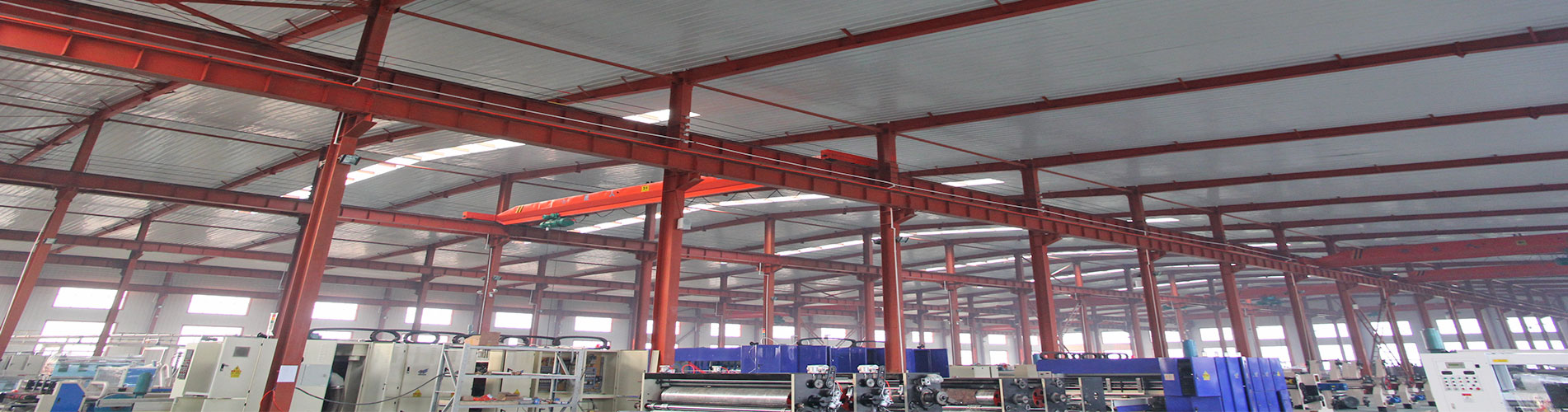
Designing a steel workshop that incorporates overhead cranes is a significant engineering undertaking that goes far beyond a simple storage building. The crane system fundamentally influences the entire structure's design, cost, and functionality. Here are the key design considerations, broken down into logical categories. 1. Crane System Specifications (The Starting Point) This is the most critic...
The Enclosure System of a steel structure workshop refers to the complete set of non-structural components that "clad" or enclose the main structural frame. Its primary purposes are to provide weather protection, thermal insulation, aesthetic appearance, and to resist environmental loads like wind and snow on the cladding itself. Think of it as the skin and insulation wrapped around the steel skel...
Designing a steel structure warehouse for strength is a fundamental engineering task that balances safety, economy, and functionality. Here’s a structured breakdown of the process, key considerations, and load types. 1. Core Philosophy: The Load Path The fundamental goal is to define a clear, continuous path for all loads (gravity, wind, snow, etc.) to travel from their point of origin down to the...
The steel portal frame is arguably the most dominant structural system for single-story industrial, commercial, and agricultural buildings worldwide. Its popularity stems from a powerful combination of cost-effectiveness, speed, and flexibility. Here’s a detailed breakdown of why it’s chosen so often: Primary Advantages: The Core Reasons 1.Clear Span Capability: This is the single biggest advantag...
Wall bracing is a critical, non-negotiable element in steel structure design. It's not about holding up the weight of the building (that's the job of the columns and beams), but about providing lateral stability and resistance to horizontal forces. Think of a steel frame without bracing as a house of cards. It's fine if you only push straight down (gravity), but the slightest sideways push will ca...
Extending the service life of a steel structure building, potentially to 100 years or more, is a systematic process involving design, construction, maintenance, and management. The key enemies of steel are corrosion, fatigue, fire, and poor detailing/connection design. Here is a comprehensive guide, broken down by phase: 1. Design & Specification Phase (The Most Critical) This phase sets the f...
Making a steel structure design "more reasonable" is the core pursuit of structural engineering. It balances safety, economy, constructability, and performance. Here’s a comprehensive guide, moving from fundamental principles to advanced strategies. Core Philosophy: Reasonable = Safe + Efficient + Buildable A reasonable design is not just the minimum code-compliant section; it's the optimal soluti...
The expected lifespan of a steel structure warehouse is typically 50 to 100 years or more, depending heavily on the following key factors: Primary Determinants of Lifespan: 1.Design & Engineering: Codes & Standards: Adherence to building codes (e.g., AISC, Eurocode) for wind, snow, and seismic loads is critical. Load Considerations: Warehouses designed for heavier loads (e.g., high-bay sto...
Steel structure buildings must be designed to withstand wind and snow loads as specified by relevant building codes and standards (e.g., ASCE 7 in the US, Eurocodes in Europe, or GB 50009 in China). The specific requirements depend on the building's location, geometry, height, and exposure. 1. Wind Load Wind load is the pressure exerted by wind on a structure. Key factors include: Basic Wind Speed...
Steel buildings are strong, fast to erect, and cost-effective—but they can turn into ovens under the summer sun if not properly planned. High thermal conductivity means steel absorbs and transfers heat quickly, driving up indoor temperatures and making conditions uncomfortable for people, stored goods, or machinery. The good news: you don’t need to overspend on AC to keep things manageable. Here a...
Steel structure buildings are generally well-equipped to handle heavy snow loads, but their performance hinges on proper design, construction quality, and maintenance. Here’s a breakdown of how they cope and where potential risks lie. 1. Core Defense Mechanism High Strength-to-Weight Ratio: Steel is inherently strong and ductile. Unlike brittle materials, it can undergo significant deformation bef...
Categories
latest blog
Tags


For inquiries about our products or pricelist, please leave to us and we will be in touch within 24 hours.
© Copyright: 2026 Hebei Baofeng Steel Structure CO.,LTD All Rights Reserved.

IPv6 network supported


 +8615720226351