

 English



Search
Application Typical Stories Typical Height Range Primary Steel System Key Driver Warehouses & Logistics 1 8m - 45m+ Pre-Engineered Building (PEMB) Clear Internal Height for storage racks, cranes, and logistics. Industrial & Manufacturing 1-2 10m - 20m PEMB or Heavy Steel Frame Process Flow. Height for machinery, overhead cranes, and ventilation. Commercial Retail (Big-Box) 1 (+mezzanine) 9...
The advantage for steel structure building exports from China is a result of a powerful combination of scale, efficiency, and a mature industrial ecosystem. 1. Unmatched Cost Competitiveness This is the single biggest driver for most international clients. Economies of Scale: China is the world's largest producer of steel. This massive domestic demand and production capacity drive down the raw mat...
What is a Single-Span Light Steel Workshop? First, a quick definition: Single-Span: Refers to a structure with a single, large roof space without any internal supporting columns or walls. It provides a completely clear, unobstructed floor area. Light Steel: Refers to the primary building material—cold-formed steel sections (like C-sections and Z-sections) or sometimes lightweight hot-rolled steel ...
In steel structure buildings, center columns (also commonly called interior columns) are absolutely critical components. Their primary use is simple but fundamental: to reduce the span of the beams and girders they support. Let's break down why this is so important and what benefits it provides. The Core Function: Span Reduction Imagine a large, open space like a warehouse or a big-box retail stor...
The H-beam is a fundamental and ubiquitous component in steel structure buildings, prized for its exceptional efficiency in carrying loads. Its application is vast, forming the literal "skeleton" of modern structures. Here’s a detailed breakdown of the application of H-beams in steel structure buildings. What is an H-Beam? An H-beam, named for its cross-section resembling the letter "H," is a roll...
Stability can be broken down into three main categories: Overall Structural Stability:The building's resistance to collapse under loads like wind, earthquake, and its own weight. Member Stability:Preventing individual components (beams, columns) from buckling prematurely. System Stability:Ensuring the connections and bracing systems work together as intended. Here is a comprehensive guide on how t...
The popularity of steel structures is one of the most significant trends in the Philippine construction industry today. This shift is driven by a combination of practical needs, economic factors, and the country's unique geographical challenges. Here’s a detailed breakdown of why steel structures are becoming so popular in the Philippines: Key Drivers of Popularity Resilience against Natural Disas...
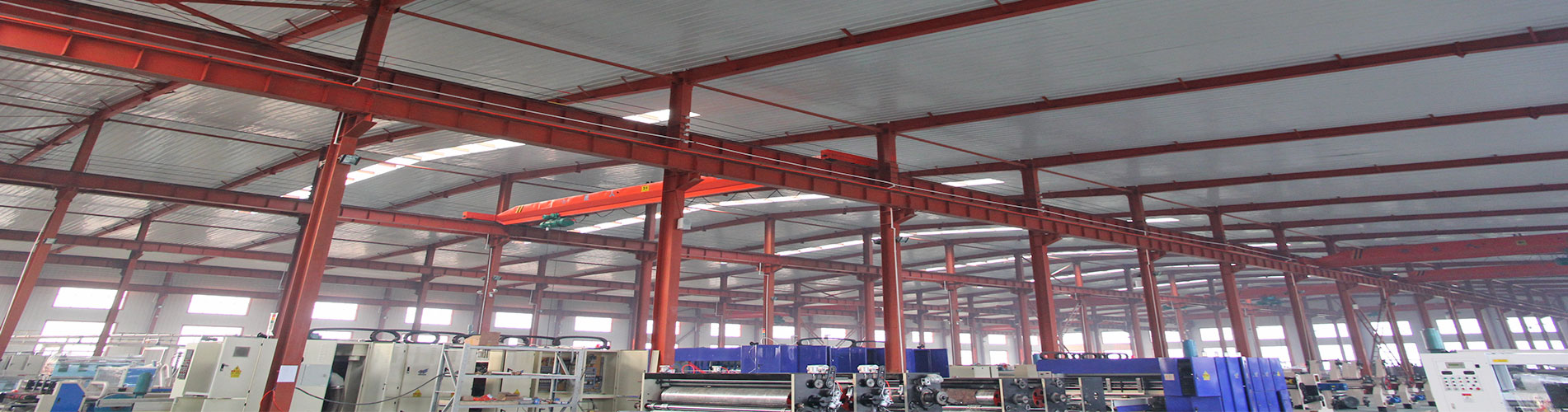
Designing a steel workshop that incorporates overhead cranes is a significant engineering undertaking that goes far beyond a simple storage building. The crane system fundamentally influences the entire structure's design, cost, and functionality. Here are the key design considerations, broken down into logical categories. 1. Crane System Specifications (The Starting Point) This is the most critic...
The Enclosure System of a steel structure workshop refers to the complete set of non-structural components that "clad" or enclose the main structural frame. Its primary purposes are to provide weather protection, thermal insulation, aesthetic appearance, and to resist environmental loads like wind and snow on the cladding itself. Think of it as the skin and insulation wrapped around the steel skel...
Designing a steel warehouse with an integrated office is a complex task that balances industrial functionality with human-centered workspaces. Here are the key design considerations, categorized for clarity. 1. Zoning and Spatial Planning Separation of Functions: Clearly demarcate the warehouse (noisy, high-traffic, potentially hazardous) from the office (quiet, clean, secure). This is cruci...
The steel portal frame is arguably the most dominant structural system for single-story industrial, commercial, and agricultural buildings worldwide. Its popularity stems from a powerful combination of cost-effectiveness, speed, and flexibility. Here’s a detailed breakdown of why it’s chosen so often: Primary Advantages: The Core Reasons 1.Clear Span Capability: This is the single biggest advantag...
The design and construction of the stair in steel structure buildings is a critical element that bridges the architectural intent with structural and code requirements. Here is a comprehensive overview, from design principles to construction details. Key Design Advantages of Steel Stairs Strength and Durability: Steel has a high strength-to-weight ratio, allowing for slender, elegant designs that ...
Categories
latest blog
Tags


For inquiries about our products or pricelist, please leave to us and we will be in touch within 24 hours.
© Copyright: 2026 Hebei Baofeng Steel Structure CO.,LTD All Rights Reserved.

IPv6 network supported


 +8615720226351