

 English



Search
Maintaining a steel structure building is essential to ensure its longevity, safety, and functionality. Here’s a step-by-step guide to effective maintenance: 1. Regular Inspections Visual Checks: Inspect the structure periodically (e.g., biannually or after extreme weather) for rust, corrosion, cracks, or deformations. Focus on high-risk areas like joints, welds, and exposed edges. Tools: Use tool...
Wind speeds are critically important for steel structure buildings due to several key factors that influence safety, design, durability, and compliance with standards: 1.Aerodynamic Forces: Wind exerts pressure on structures proportional to the square of its speed. Higher speeds drastically increase wind pressure, requiring robust structural design to resist uplift, bending, and shear forces. 2.Re...
To maximize natural light in a steel structure warehouse, consider the following strategies that balance illumination, energy efficiency, and structural integrity: 1. Roof-Based Solutions a. Skylights / Roof Windows Types: Fixed or operable polycarbonate/acrylic domes, prismatic panels, or glass skylights. Placement: Install along the roof ridge or in a sawtooth pattern (ideal for north-facing roo...
When constructing or managing poultry houses, several important considerations must be taken into account to ensure the health, productivity, and welfare of the birds, as well as the efficiency and sustainability of the operation. Here are the key factors to consider: 1. Site Selection Accessibility: Choose a location that is easily accessible for transportation of feed, equipment, and harvested b...
A mezzanine design in a steel structure warehouse offers several advantages, making it a popular choice for optimizing space and improving functionality. Here are the key benefits: 1. Maximized Space Utilization Mezzanines create additional usable space above the existing floor level without the need for expanding the warehouse footprint. This is particularly useful for warehouses with high ceilin...
Commercial steel office buildings represent the pinnacle of modern commercial construction—combining speed, strength, sustainability, and design flexibility to meet the demands of today’s dynamic business environments. Below are the key features that make steel office buildings the preferred choice for enterprises worldwide. 1. Fast & Efficient Construction Prefabricated Components – St...
The lifespan of a steel structure building is influenced by a combination of material quality, design, environmental conditions, maintenance practices, and construction techniques. Below are the key factors that determine how long a steel structure can last, along with actionable insights to maximize durability: 1. Material Quality & Corrosion Resistance ① Steel Grade & Coatings High-quali...
While both involve storing goods, logistics warehouse design is fundamentally different from general warehouse design in its core objective, leading to vastly different priorities in layout, technology, and operation. Think of it this way: A General Warehouse is designed for long-term storage. Its primary goal is to safely store a large volume of goods for an extended period with minimal handling....
Absolutely, yes. Steel is the dominant and often the ideal material for stadium construction. From iconic, soaring roofs to massive, column-free spans, steel structures make modern stadiums possible. Here’s a detailed breakdown of why steel is so suitable for stadiums and the key considerations involved. Key Advantages of Steel for Stadiums 1. Ability to Create Long Spans and Column-Free Views Thi...
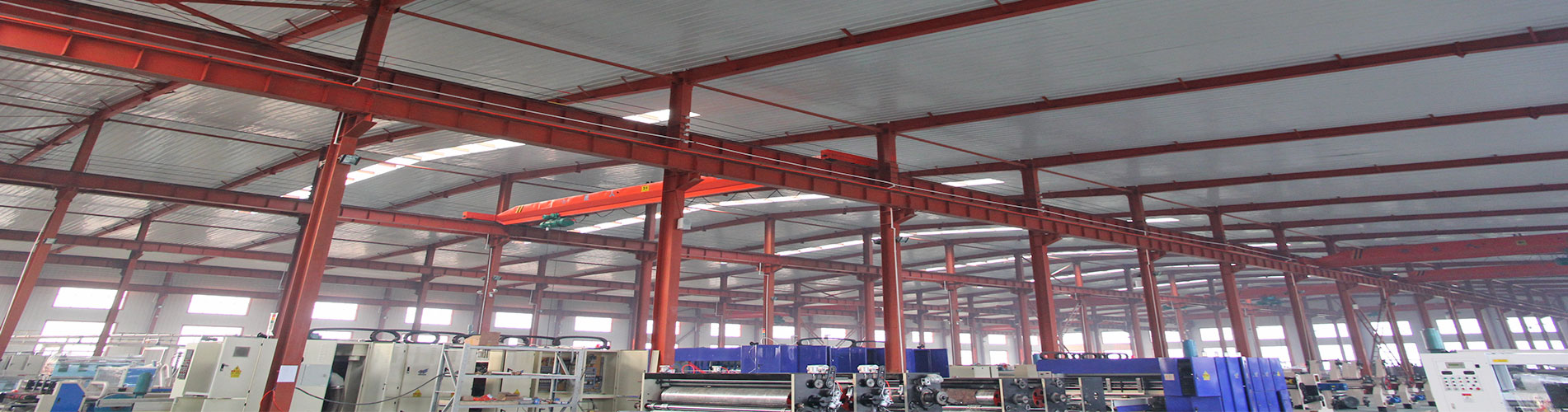
Designing a steel workshop that incorporates overhead cranes is a significant engineering undertaking that goes far beyond a simple storage building. The crane system fundamentally influences the entire structure's design, cost, and functionality. Here are the key design considerations, broken down into logical categories. 1. Crane System Specifications (The Starting Point) This is the most critic...
Designing a steel structure warehouse for strength is a fundamental engineering task that balances safety, economy, and functionality. Here’s a structured breakdown of the process, key considerations, and load types. 1. Core Philosophy: The Load Path The fundamental goal is to define a clear, continuous path for all loads (gravity, wind, snow, etc.) to travel from their point of origin down to the...
Designing a steel warehouse with an integrated office is a complex task that balances industrial functionality with human-centered workspaces. Here are the key design considerations, categorized for clarity. 1. Zoning and Spatial Planning Separation of Functions: Clearly demarcate the warehouse (noisy, high-traffic, potentially hazardous) from the office (quiet, clean, secure). This is cruci...
Categories
latest blog
Tags


For inquiries about our products or pricelist, please leave to us and we will be in touch within 24 hours.
© Copyright: 2026 Hebei Baofeng Steel Structure CO.,LTD All Rights Reserved.

IPv6 network supported


 +8615720226351