

 English



Search
Steel structure buildings must be designed to withstand wind and snow loads as specified by relevant building codes and standards (e.g., ASCE 7 in the US, Eurocodes in Europe, or GB 50009 in China). The specific requirements depend on the building's location, geometry, height, and exposure. 1. Wind Load Wind load is the pressure exerted by wind on a structure. Key factors include: Basic Wind Speed...
The choice between steel and concrete is fundamental in structural engineering. Each has a distinct set of material characteristics that make it suitable for different applications. Here’s a detailed comparison of their key material properties and implications for design and construction. Characteristic Steel Concrete (Reinforced, RCC) 1. Stress-Strain Behavior Elastic-Perfectly Plastic (Ductile)....
Here is a detailed look at the advantages of using glass curtain walls in steel-structure buildings, highlighting the synergy between these two modern construction systems. The Advantage of Glass Curtain Walls in Steel-Structure Buildings Glass curtain walls and steel structures are a quintessential pairing in modern architecture, epitomizing the principles of efficiency, transparency, and strengt...
If you operate, manage, or are planning a steel structure warehouse, understanding the role of ventilation isn’t just a technical detail—it’s essential for safety, durability, and efficiency. While steel buildings are strong, cost-effective, and quick to erect, they come with unique environmental challenges. That’s where ventilators come in. But what exactly do they do, and why are they so importa...
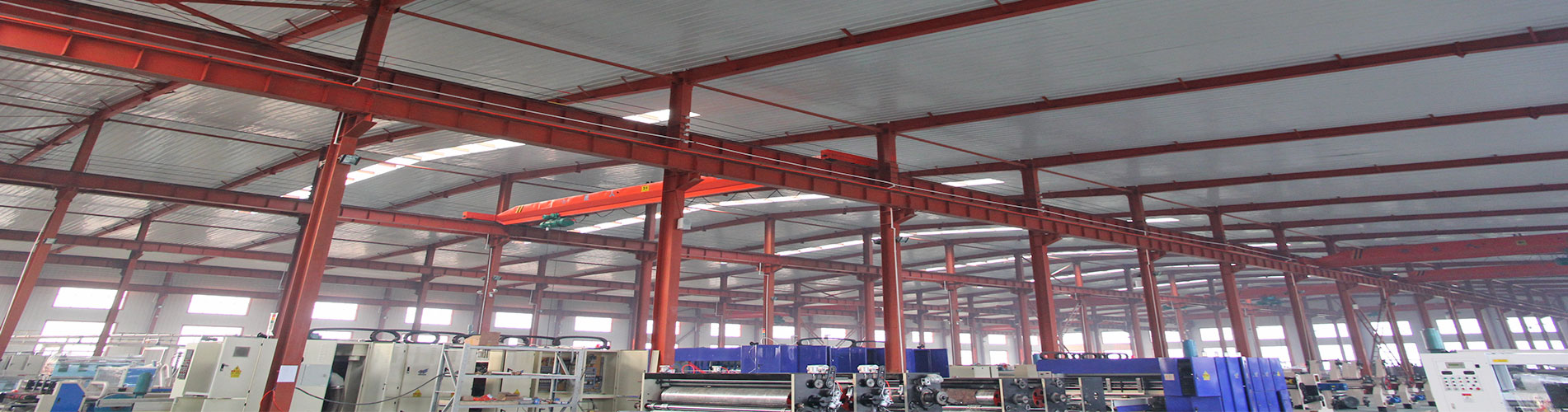
Steel structures have become the undisputed champion for modern factory construction, and it’s not just about strength. From speed to scalability, here’s a breakdown of why steel is the go-to choice for industrial buildings. 1. Speed of Construction (Time is Money) This is often the biggest driver. Unlike traditional concrete, which requires curing time, prefabricated steel components are manufact...
Pre-engineered steel buildings (PEBs) are the go-to solution for warehouses, factories, and logistics hubs. But their efficiency hinges on a critical balance: designing for ultimate strength (safety under extreme loads) while ensuring serviceability (comfort and functionality during everyday use). This blog breaks down the engineering methods that achieve this dual objective. The Two Pillars of PE...
Steel structure buildings are generally well-equipped to handle heavy snow loads, but their performance hinges on proper design, construction quality, and maintenance. Here’s a breakdown of how they cope and where potential risks lie. 1. Core Defense Mechanism High Strength-to-Weight Ratio: Steel is inherently strong and ductile. Unlike brittle materials, it can undergo significant deformation bef...
Addressing drainage issues in steel-structure factory buildings requires a systematic approach, focusing on roof slope, gutter & downpipe capacity, and critical node sealing. Here is a practical guide to diagnose and fix common problems: 1. Roof Surface Drainage (The First Defense) The goal is to ensure rainwater flows quickly off the roof into the gutters. Check the Slope: The minimum d...
Steel Frame Storage Buildings: The Unshakable Cornerstone of Modern Industrial Warehousing In the vast landscape of industrial and logistics infrastructure, one element stands as the fundamental support upon which global commerce operates: the steel frame storage building. More than just a shell to house goods, these structures are the very backbone of efficiency, scalability, and innovation in su...
Prefabricated (prefab) workshop buildings have become increasingly popular for businesses and individuals looking for cost-effective, quick-to-assemble structures. However, one common question is: What determines the final price tag? The truth is, there isn’t a single fixed cost—multiple factors influence how much you’ll spend. Let’s break them down. 1. Size of the Building The most obvious factor...
Steel structure (pre-engineered/prefabricated steel) buildings are gaining strong traction across South America—especially in Brazil, Chile, Colombia, Peru, and Argentina—due to a combination of economic, climatic, and industrial factors unique to the region. Here's a breakdown of the key drivers: Faster Construction & Lower Labor Dependency Prefabricated steel components are manufacture...
When planning a large industrial facility, warehouse, or aircraft hangar, architects and developers often request clear spans—structures built without any intermediate supports or columns interrupting the interior space. While clear span designs are highly desirable for maximizing usable floor space and operational efficiency, they come with significant engineering challenges and costs, especially...
Categories
latest blog
Tags


For inquiries about our products or pricelist, please leave to us and we will be in touch within 24 hours.
© Copyright: 2026 Hebei Baofeng Steel Structure CO.,LTD All Rights Reserved.

IPv6 network supported


 +8615720226351