

 English



Search
Application Typical Stories Typical Height Range Primary Steel System Key Driver Warehouses & Logistics 1 8m - 45m+ Pre-Engineered Building (PEMB) Clear Internal Height for storage racks, cranes, and logistics. Industrial & Manufacturing 1-2 10m - 20m PEMB or Heavy Steel Frame Process Flow. Height for machinery, overhead cranes, and ventilation. Commercial Retail (Big-Box) 1 (+mezzanine) 9...
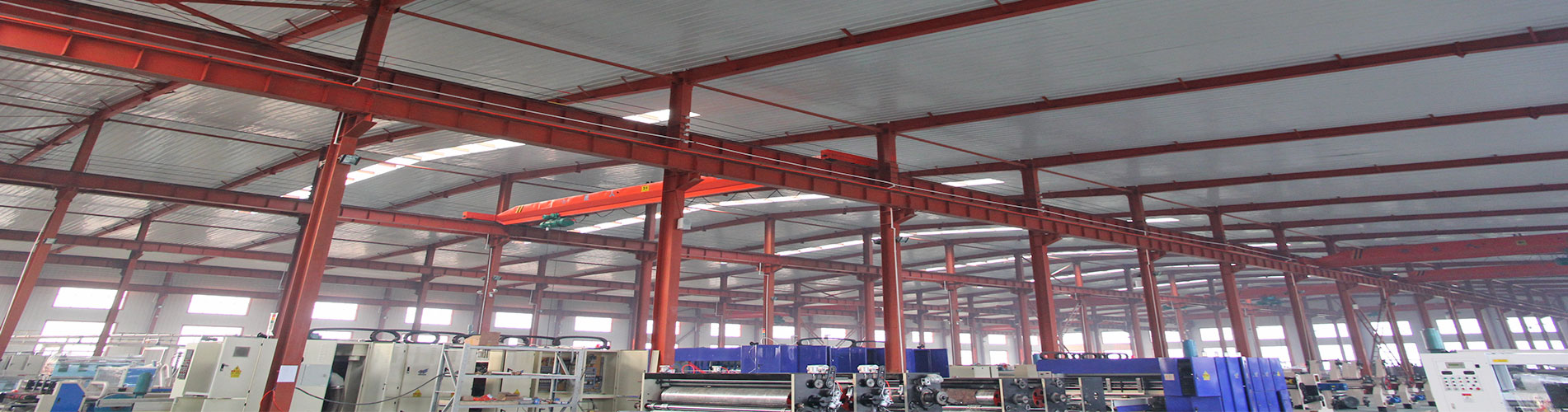
A steel structure crane beam, often simply called a crane runway beam or crane girder, is a specifically designed horizontal structural member that forms the runway for an overhead traveling bridge crane or gantry crane. It is the critical component that directly supports the crane and its load, allowing the crane to move along the length of an industrial building, such as a factory, warehouse, or...
The advantage for steel structure building exports from China is a result of a powerful combination of scale, efficiency, and a mature industrial ecosystem. 1. Unmatched Cost Competitiveness This is the single biggest driver for most international clients. Economies of Scale: China is the world's largest producer of steel. This massive domestic demand and production capacity drive down the raw mat...
The stability of a steel structure is a critical aspect of its design, construction, and long-term performance. It refers to the structure's ability to resist various loads and forces without experiencing excessive deformation, buckling, or collapse. The factors affecting stability can be broadly categorized as follows: 1. Design and Material Factors These are the fundamental choices made during t...
Fabrication Phase Requirements This phase transforms the design into ready-to-erect components. Quality Control (QC) in the Shop: Cutting and Drilling: Must be precise according to shop drawings. Holes for bolts must be accurately aligned. Fit-Up: Members must be trial-fitted before welding to ensure proper alignment and gaps. Welding: Must be performed by certified welders following Qualified Wel...
Key Advantages of Steel Structures for Manufacturing: 1. Speed of Construction Prefabrication: The components (beams, columns, trusses) are manufactured off-site in a controlled factory environment. This allows for precise engineering and simultaneous site preparation (grading, foundations). Rapid Assembly: Once delivered, the pre-engineered steel components are bolted together on-site like a gian...
In steel structure buildings, center columns (also commonly called interior columns) are absolutely critical components. Their primary use is simple but fundamental: to reduce the span of the beams and girders they support. Let's break down why this is so important and what benefits it provides. The Core Function: Span Reduction Imagine a large, open space like a warehouse or a big-box retail stor...
The H-beam is a fundamental and ubiquitous component in steel structure buildings, prized for its exceptional efficiency in carrying loads. Its application is vast, forming the literal "skeleton" of modern structures. Here’s a detailed breakdown of the application of H-beams in steel structure buildings. What is an H-Beam? An H-beam, named for its cross-section resembling the letter "H," is a roll...
1. Structural & Design Advantages Long, Clear Spans:This is the single biggest advantage. Steel's exceptional strength-to-weight ratio allows for wide, column-free interiors. This is perfect for unobstructed views for spectators and maximum, flexible playable area for sports like basketball, volleyball, soccer, and badminton. Design Flexibility & Future Expansion:The modular nature of stee...
The durability of a steel structure warehouse in harsh weather is one of its primary advantages. In short, a properly designed, manufactured, and maintained steel structure warehouse is exceptionally durable in harsh weather conditions. Here’s a detailed breakdown of how steel structures handle different harsh weather elements and what is required to ensure their durability. Strengths of Steel in ...
Stability can be broken down into three main categories: Overall Structural Stability:The building's resistance to collapse under loads like wind, earthquake, and its own weight. Member Stability:Preventing individual components (beams, columns) from buckling prematurely. System Stability:Ensuring the connections and bracing systems work together as intended. Here is a comprehensive guide on how t...
The popularity of steel structures is one of the most significant trends in the Philippine construction industry today. This shift is driven by a combination of practical needs, economic factors, and the country's unique geographical challenges. Here’s a detailed breakdown of why steel structures are becoming so popular in the Philippines: Key Drivers of Popularity Resilience against Natural Disas...
Categories
latest blog
Tags


For inquiries about our products or pricelist, please leave to us and we will be in touch within 24 hours.
© Copyright: 2026 Hebei Baofeng Steel Structure CO.,LTD All Rights Reserved.

IPv6 network supported


 +8615720226351