

 English


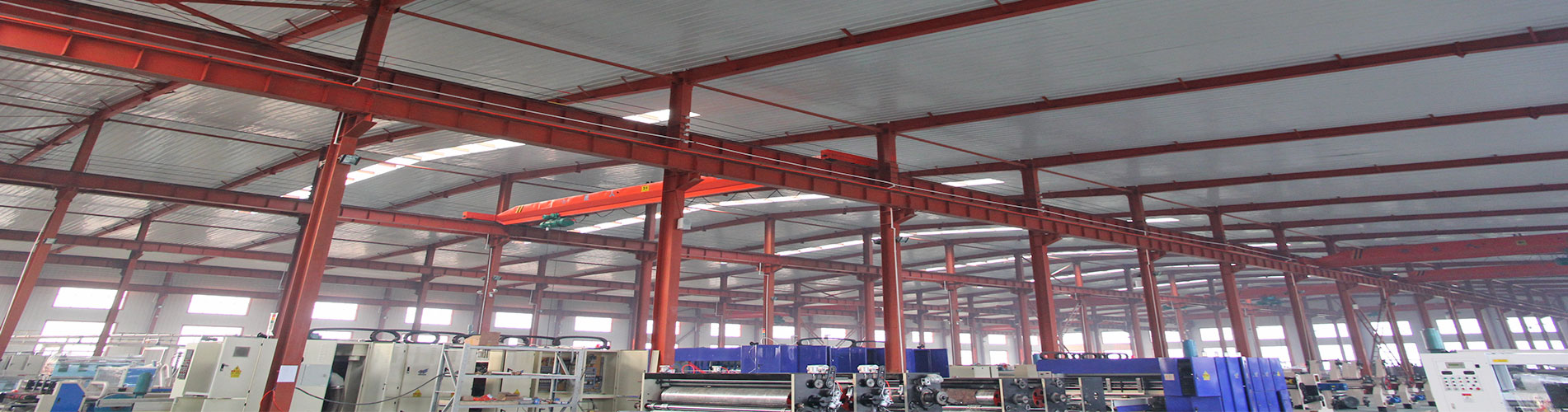

Application of Steel Structure Frame Buildings in Agriculture Introduction
Agriculture is embracing innovation, and steel structure frame buildings are at the forefront of this transformation. These durable, cost-effective, and versatile structures are reshaping the agricultural landscape, offering practical solutions to the evolving needs of modern farming. Let’s explore how steel buildings are becoming essential assets on farms worldwide.
Benefits of Steel Structures in Agriculture
1. Durability and Longevity
Steel buildings are built to last, withstanding harsh weather conditions, heavy snow loads, and high winds. They resist pests, mold, and fire, ensuring minimal maintenance and a long service life—ideal for agricultural operations.
2. Cost-Effectiveness
Steel structures are affordable to build and maintain. Their prefabricated components reduce construction time and labor costs, while their low upkeep requirements translate to long-term savings for farmers.
3. Versatility in Design
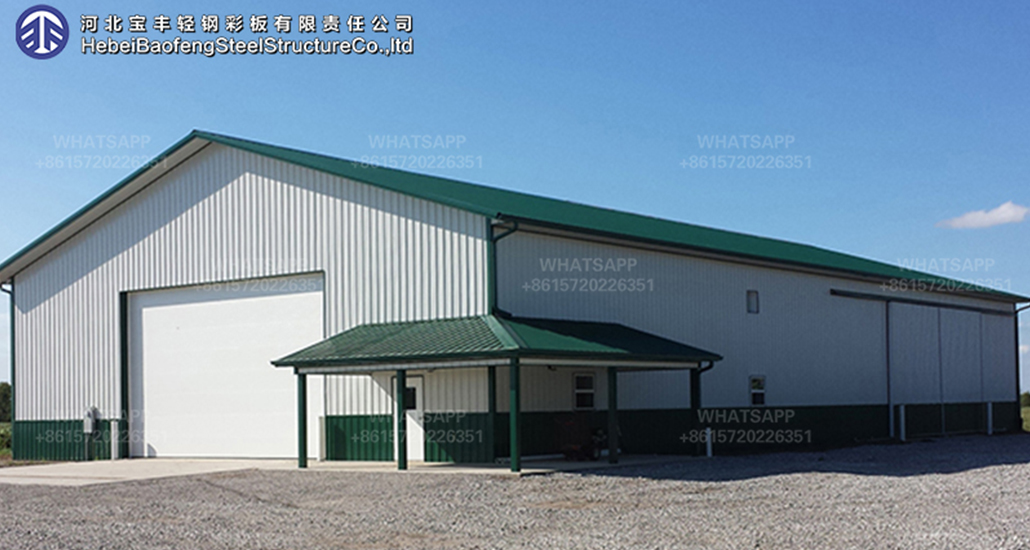
From machinery storage to livestock shelters, steel buildings can be customized to suit various agricultural needs. Clear-span interiors provide unobstructed space, making them perfect for equipment storage, hay barns, and processing facilities.
4. Sustainability
Steel is 100% recyclable, making it an environmentally friendly choice. These structures can also be designed to incorporate renewable energy solutions, such as solar panels, further reducing the carbon footprint of farming operations.
Key Applications in Agriculture
1. Equipment Storage
Protect tractors, harvesters, and other machinery from the elements with a durable steel building. The wide, open interiors allow for easy movement and organization of large equipment.
2. Grain and Crop Storage
Steel buildings provide secure, weather-resistant storage for grains, hay, and other crops. They can be equipped with ventilation systems to prevent moisture buildup and spoilage.
3. Livestock Housing
From dairy barns to poultry sheds, steel structures offer comfortable, well-ventilated shelters for animals. They are easy to clean and maintain, promoting animal health and productivity.
4. Processing and Packing Facilities
On-farm processing and packing units benefit from steel buildings’ hygienic, easy-to-clean surfaces and customizable layouts, ensuring compliance with food safety standards.
5. Greenhouses and Hydroponics
Steel-framed greenhouses provide sturdy support for glazing materials, creating optimal growing conditions for plants. They are also ideal for hydroponic and vertical farming setups.
Real-World Examples
Dairy Farms in the Netherlands: Advanced steel barns with automated feeding and milking systems.
Grain Storage in the Africa.: Steel silos and warehouses safeguarding harvests.
Australian Livestock Shelters: Steel structures offering shade and protection in extreme climates.
Conclusion
Steel structure frame buildings are revolutionizing agriculture by offering durable, affordable, and adaptable solutions. As farming continues to evolve, these structures will play a crucial role in supporting efficient, sustainable, and productive agricultural practices. Whether you’re a small-scale farmer or managing a large agribusiness, steel buildings are a smart investment for the future of farming.
Categories
latest blog
Tags


For inquiries about our products or pricelist, please leave to us and we will be in touch within 24 hours.
© Copyright: 2026 Hebei Baofeng Steel Structure CO.,LTD All Rights Reserved.

IPv6 network supported


 +8615720226351